Will iPhone 17 Cases Fit the iPhone 18 Pro?
They are within two hundredths of an inch of each other in height and width, which is exactly why people try it. Here is what Apple's own numbers say and what goes wrong.
This post contains Amazon affiliate links. As an Amazon Associate we earn from qualifying purchases, at no extra cost to you.
No, and the reason people keep asking is that the two phones are almost the same size. Almost is the problem.
The iPhone 17 and the iPhone 18 Pro both have a 6.3-inch display and footprints that differ by two hundredths of an inch. If cases were sized by screen diagonal, one would fit the other. They are not.
The numbers, from Apple
| iPhone 17 | iPhone 18 Pro | iPhone 18 Pro Max | |
|---|---|---|---|
| Display | 6.3 in | 6.3 in | 6.9 in |
| Height | 5.89 in | 5.91 in | 6.43 in |
| Width | 2.81 in | 2.83 in | 3.07 in |
| Depth | 0.31 in | 0.34 in | 0.34 in |
| Weight | 6.24 oz | 7.44 oz | 8.78 oz |
Those are Apple's published figures. The 18 Pro is fractionally taller and wider than the 17, and noticeably thicker: 0.34 inches against 0.31, a difference of about three quarters of a millimetre. It is also 1.2 ounces heavier, which is a fifth more phone.
Why three hundredths of an inch stops a case fitting
A phone case is an interference fit. It is deliberately made a touch smaller than the phone so that the walls stretch over the edges and grip. That tolerance is measured in fractions of a millimetre, and it is the entire reason a case stays on without clips.
Add 0.76mm of thickness to the phone and you have consumed more than the whole tolerance budget. The case either will not seat at all, or it goes on under tension and pops off a corner the first time the phone flexes in a pocket. Width works the other way round: the extra 0.02 inches means the side rails sit stretched permanently, which is how cases develop a gap at one corner after a few weeks.
The extra weight compounds it. A case designed to retain 6.24 ounces is holding 7.44, and it is holding it with walls that are already stretched.
Camera cutouts and buttons
Even if the body tolerances worked, the openings would not.
Every generation moves the camera housing, and a case is cut for one specific arrangement. A cutout that is a few millimetres out will either block a lens, foul the flash, or leave the raised camera edge sitting proud of the case, which removes the protection people bought the case for in the first place.
Button positions and the raised camera lip are the two things worth checking in listing photos. A case whose camera edge does not stand above the lenses is not protecting the most expensive part of the back.
The 17 Pro is a different question from the 17
This is the distinction that trips people up, and it is worth being precise about.
Everything above compares the standard iPhone 17 with the 18 Pro. Those are different bodies, and the 0.03-inch difference in depth is Apple's own published figure.
The iPhone 17 Pro is a separate phone, and the market is behaving as though it shares its dimensions with the 18 Pro. Several manufacturers sell one case listed for "iPhone 17 Pro / 18 Pro", and for the larger size CASEKOO states plainly in its own listing that the case fits both the 18 Pro Max and the 17 Pro Max, adding that some units ship in packaging labelled for the 17 Pro Max and that the case inside is correct for both.
Two caveats. Apple has retired the specification pages for the 17 Pro and 17 Pro Max, so there is no first-party comparison to check that against — these are manufacturer claims, not published dimensions. And a shared case means a shared compromise: a case built to fit two phones fits neither as tightly as a single-model case.
So: a standard iPhone 17 case will not fit an 18 Pro. A 17 Pro case very probably will, and the sellers say so in writing. If you are relying on that, buy from a listing that names both models explicitly rather than assuming.
Our existing iPhone 17 Pro Max case guide covers that phone, and it is worth knowing that last-generation cases go on deep discount once a model is discontinued, which is the whole premise of our rugged case guide.
What to check before you buy
- The listing names your exact model in the title, not "iPhone 17 series" or "fits 17 and 18"
- Photos show the camera edge in profile, standing above the lenses
- If it claims magnets, it says "magnet array" or "built-in magnets" rather than only "MagSafe compatible"
- Reviews from the last few weeks mention your model by name
That last one matters most on a phone this new. A listing that has been up for a year with thousands of reviews has almost none of them from people holding an 18 Pro, for the same reason we flagged in our 16e case guide: Amazon pools ratings across every model a case line covers.
Frequently asked questions
Will an iPhone 17 case fit the iPhone 18 Pro? No. The 18 Pro is 0.03 inches thicker and fractionally taller and wider, which is more than the interference fit a case relies on. It will either not seat or will not stay on.
How different are the iPhone 17 and iPhone 18 Pro in size? Apple lists the 17 at 5.89 by 2.81 by 0.31 inches and the 18 Pro at 5.91 by 2.83 by 0.34 inches. Same 6.3-inch display, different body.
Does the iPhone 18 Pro use the same MagSafe as the iPhone 17? Both support MagSafe wireless charging up to 25W, which needs a 30W or larger adapter. Magnetic accessories work the same way on both.
Can I stretch a slightly small case onto a bigger phone? You can force some flexible cases on, and they will pop off a corner under flex. A case held on under permanent tension also transfers impact badly, which defeats the point.
Will iPhone 18 Pro cases fit the 18 Pro Max? No. The Pro Max is half an inch taller and a quarter of an inch wider. Those are different cases entirely.
Is it worth buying a case before the model-specific ones arrive? At launch there are always generic listings claiming to fit everything. They fit nothing well. Waiting a few weeks for model-specific cases is usually the better call.
More reviews
 Review
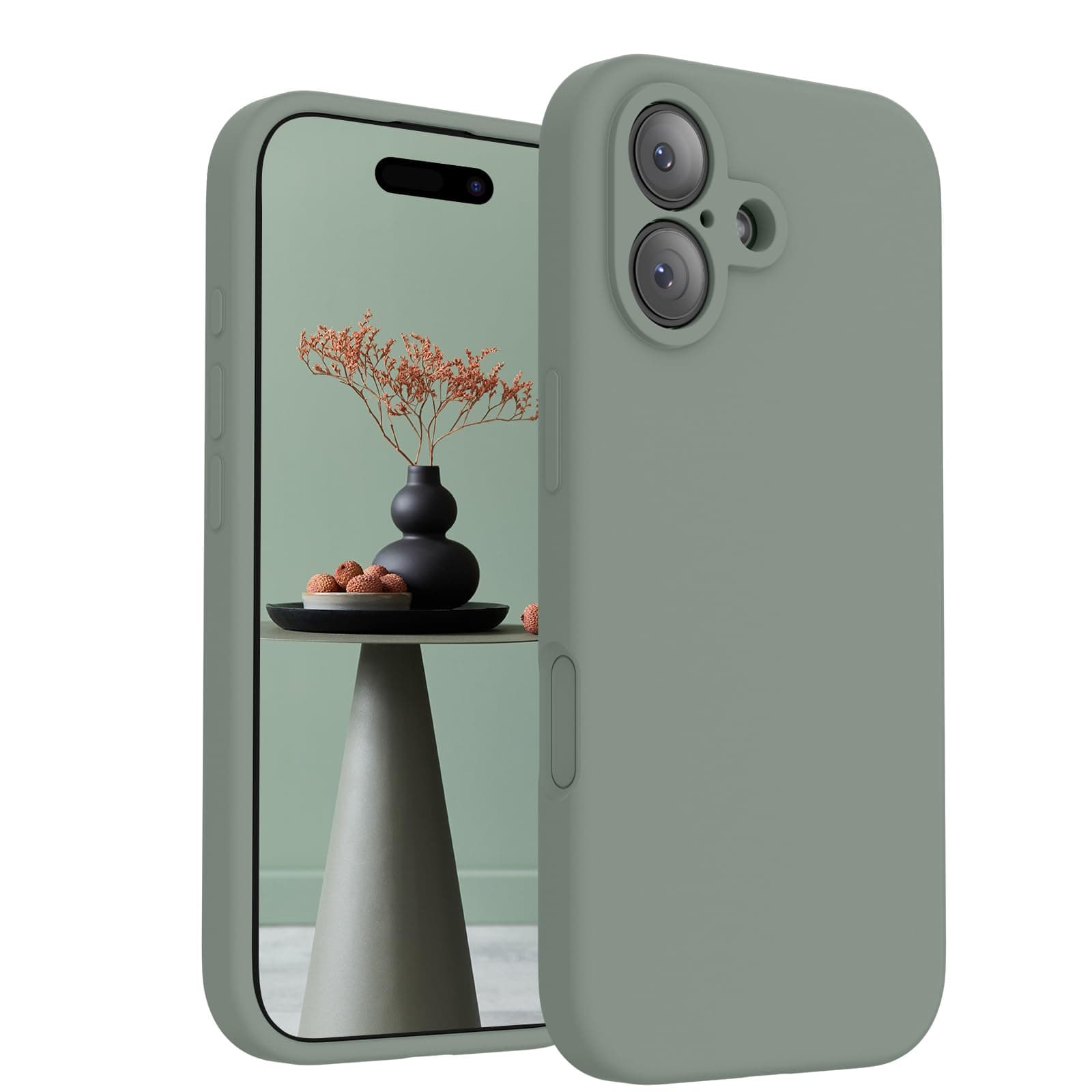
Best iPhone 17 Cases With Built-In MagSafe Magnets
The iPhone 17 has been out long enough for real reviews to exist, which makes it the rare case guide where the evidence is worth something. Including why Apple's own case is the weakest pick here.
Read the review→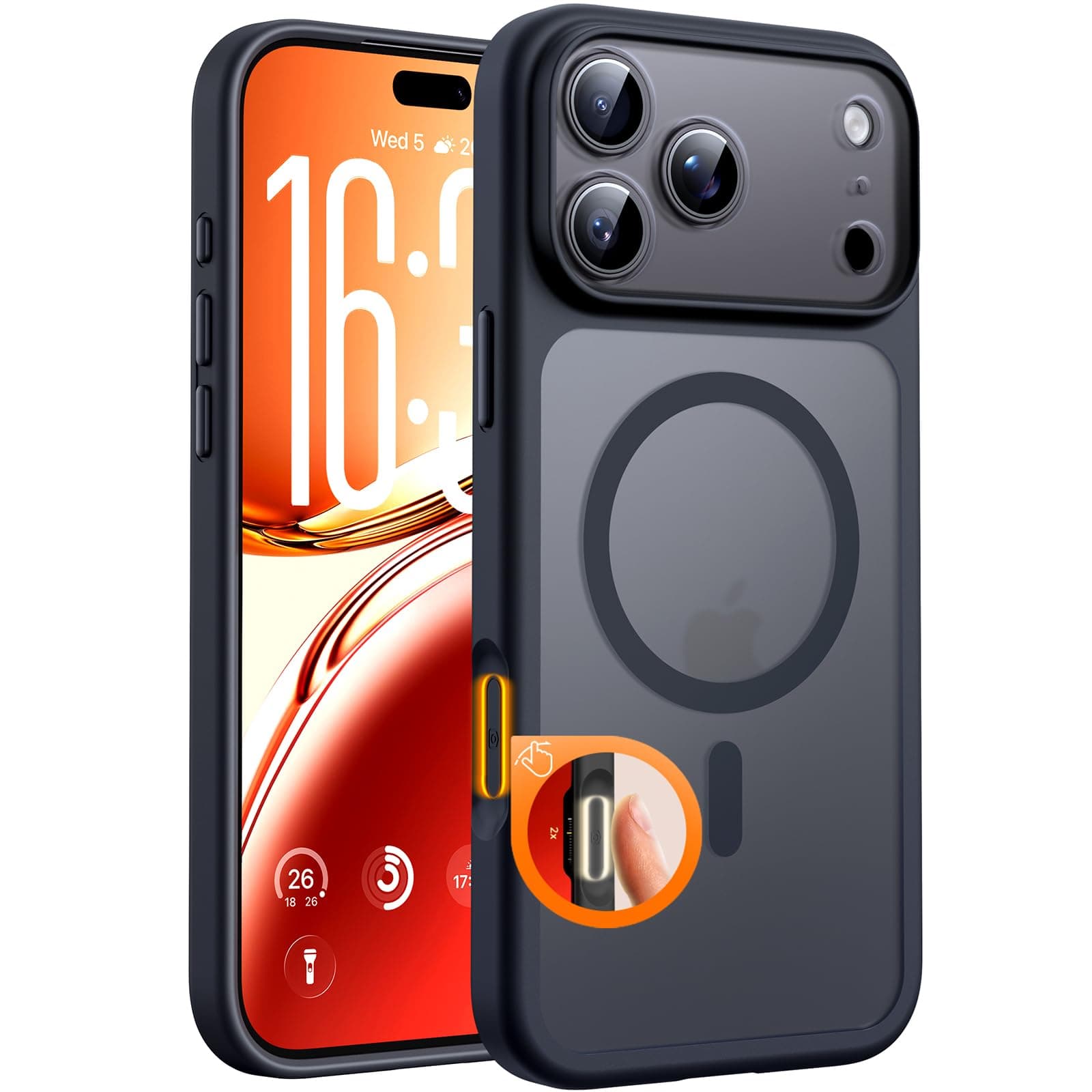 Review
Best iPhone 18 Pro Max Cases With Built-In MagSafe Magnets
At 8.78 ounces the Pro Max is the heaviest iPhone Apple sells, and that weight decides which of these cases are worth buying. Five picks with real magnet arrays.
Read the review→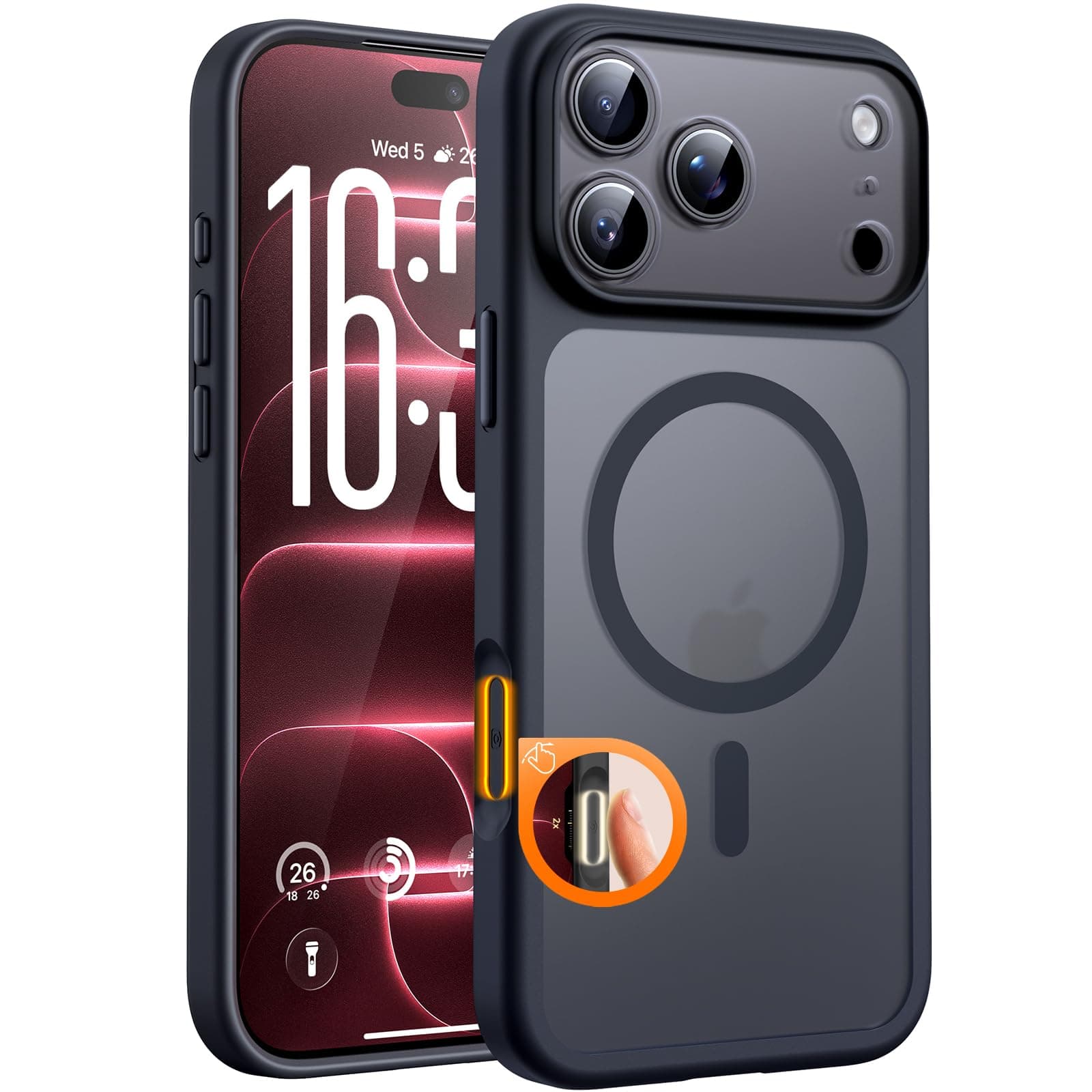 Review
Best iPhone 18 Pro Cases With Built-In MagSafe Magnets
The phone is weeks old, which means none of the usual buying signals exist yet. Here is what you can actually judge a case on right now, and five that clear the bar.
Read the review→