Do MagSafe Magnets Wear Out or Lose Strength Over Time?
No, not on any timescale you will own the phone for. When a MagSafe hold gets weaker, the magnets are the last suspect, and a two-minute swap test finds the real one.
This post contains Amazon affiliate links. As an Amazon Associate we earn from qualifying purchases, at no extra cost to you.
No. The magnets in an iPhone and in MagSafe accessories do not wear out from use, and they do not fade on any timescale that matters for a phone. Magnet manufacturers put the natural loss of a neodymium magnet at under one percent over ten years, provided it stays within its rated temperature.
So if your wallet, grip or mount holds worse than it used to, something did change. It was not the magnetism fading with age.
Why magnets do not fade with use
MagSafe uses neodymium magnets, the same type found in headphones and hard drives. They are permanent magnets. The magnetism is a property of how the material was aligned when it was made, not a charge that drains, so snapping an accessory on and pulling it off does not spend anything.
What does weaken a magnet
Three things, and only one of them is likely in normal life.
Heat. Every grade of neodymium magnet has a maximum working temperature, and above it the magnet loses strength permanently. For standard grades that limit is around 80°C (176°F), and higher grades tolerate more. Apple does not publish which grade it uses, so 80°C is the cautious number to keep in mind. A pocket, a desk and a warm charger are nowhere near it. A dark dashboard in direct summer sun is the one everyday place that can climb towards that territory. An iPhone shuts itself down with a temperature warning long before its magnets are at risk, but a mount or a wallet left on the dash has no such protection.
Physical damage. Neodymium is brittle, closer to a ceramic than to steel. The small magnets in a ring can crack or chip if an accessory takes a hard knock or gets bent, and a broken magnet holds less well than a whole one. Inside a phone the array is well protected. A thin wallet or a stick-on ring that has been sat on is the more plausible victim.
Corrosion. Bare neodymium rusts readily, which is why these magnets are always plated or coated. If the coating is breached and moisture gets in, the magnet corrodes and slowly crumbles. Inside a sealed phone that is not a realistic worry. In a budget accessory that has split along a seam, it can be.
What actually changed when the hold got weaker
In rough order of how often each one turns out to be the answer.
The case. A new case, a thicker case, or the same case with a card or sticker tucked behind it. Magnetic force drops steeply with distance, so one extra millimetre is felt immediately. This is the first cause in why MagSafe accessories fall off, and it sits behind most complaints that the magnets "got weak". Whether your case needs magnets of its own is covered in do you need a MagSafe case.
The accessory's surface. Resisting a sideways slide depends on friction as much as magnetism. The soft back of a MagSafe wallet polishes smooth after months in a pocket, silicone picks up a film of lint and skin oil, and leather goes glossy. The magnets are unchanged and the wallet slides off anyway.
A stick-on ring that has moved. Adhesive magnet rings creep, especially on silicone or textured cases and especially in warm weather. A ring that has drifted a couple of millimetres off centre, or lifted at one edge, holds noticeably worse and can stop a charger aligning.
A harder job. A phone that moved from a desk stand to a car mount or a gym mount now faces bumps and vibration. The magnets did not get weaker. The test got harder.
How to test which side is at fault
- Take the case off, then wipe the back of the phone and the face of the accessory.
- Attach the accessory to the bare phone and push it sideways with a thumb. If it holds the way you remember, the phone and the accessory are both fine and the case is the problem.
- If it is still weak on the bare phone, try a different magnetic accessory, such as a charger or a friend's wallet. If that one grips firmly, the phone's magnets are fine and your accessory is worn or damaged.
- Only if several known-good accessories all hold poorly on the bare phone is the phone itself in question. That points to damage, such as a hard drop or a repair to the back of the phone, and not to age.
One more check if the phone never held anything in the first place: the iPhone 16e has no magnets at all, so there is nothing to wear out and nothing to attach to.
What to do about it
If the case is at fault, the fix is a thinner case or one with a full magnet array of its own. If the back of the accessory has gone smooth, cleaning it with a damp cloth sometimes restores enough grip. Otherwise replace it, and favour a grippy back over a bigger pull-force number. If a stick-on ring has shifted, replace the ring, because the adhesive does not survive being moved.
And keep magnetic accessories off the dashboard in summer. It is the one realistic way to shorten the life of a magnet you own.
Frequently asked questions
Do MagSafe magnets wear out over time? No. Neodymium magnets lose under one percent of their strength over a decade at normal temperatures, and attaching or removing accessories does not use them up.
Does MagSafe lose magnetism if I use it every day? No. A permanent magnet is not drained by use. Daily attaching and detaching wears the surfaces of the case and the accessory, which can reduce grip, but it does not weaken the magnets themselves.
Can heat damage MagSafe magnets? Only extreme heat. Standard neodymium grades start to lose strength permanently at around 80°C, or 176°F. Pockets and chargers do not get near that. A dashboard in direct summer sun is the realistic risk.
Why is my MagSafe wallet weaker than when I bought it? Usually because the back of the wallet has worn smooth or picked up lint and oil, or because you changed cases. Clean both surfaces and test the wallet on the bare phone before blaming the magnets.
Can dropping my iPhone weaken its magnets? Rarely. Neodymium is brittle and can crack under a hard impact, but the array inside the phone is well protected. Thin accessories and stick-on rings are more likely to be damaged this way.
Related guides
Do You Need a MagSafe Case for MagSafe to Work?
For charging, usually not. For holding a wallet or a mount, it depends on how thick the case is. Those are two different problems, and a normal case fails them at different points.
Read the answer→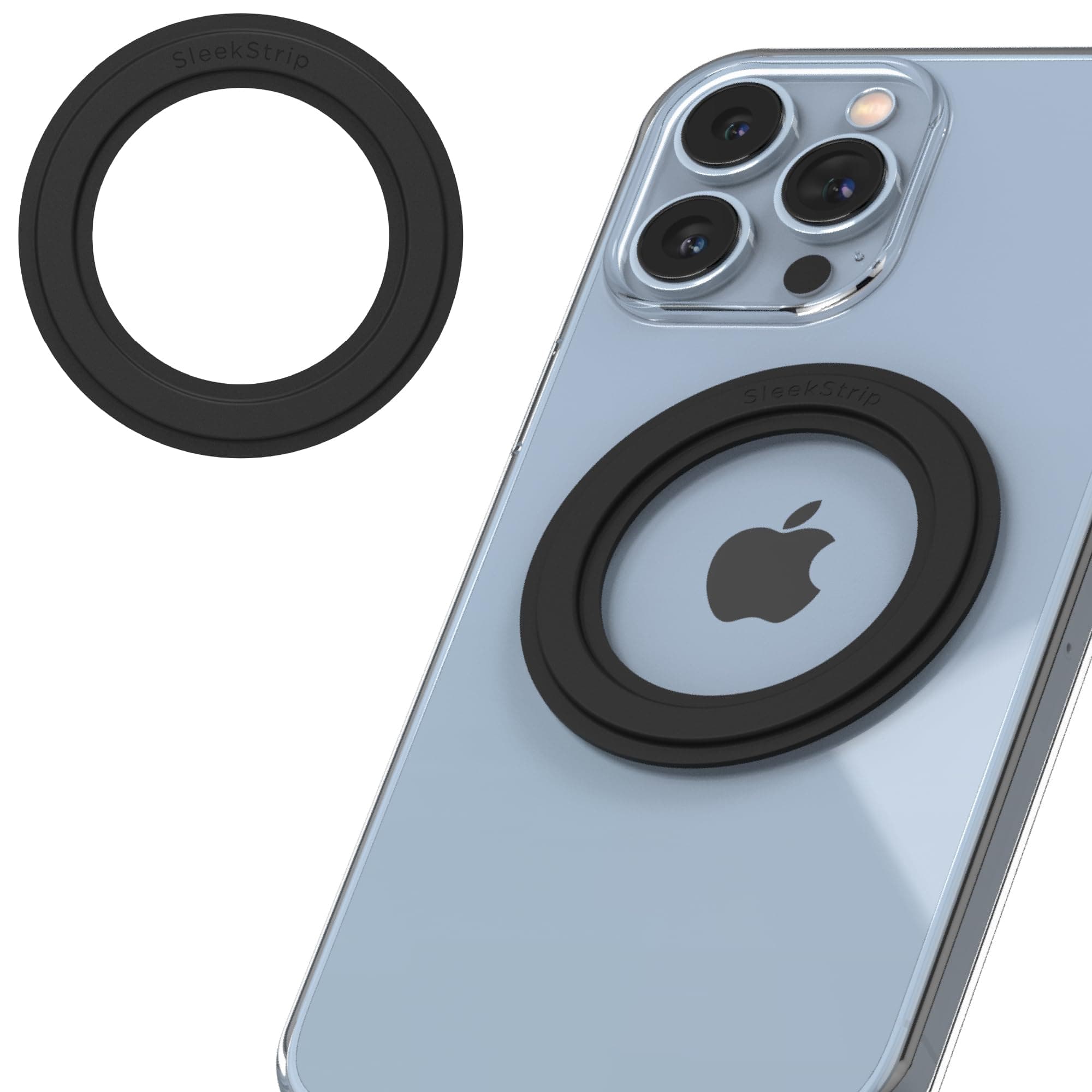 Review
Best MagSafe Magnet Rings: Add Real Magnets to Any Case
A few dollars of adhesive magnets turns a case with no MagSafe into one that holds wallets, mounts and chargers. The catch is that these fail in two predictable ways.
Read the review→Why Your MagSafe Accessories Keep Falling Off
A wallet that slides off in your bag or a car mount that lets go on a speed bump is almost never a weak magnet. It is usually distance, the wrong kind of force, or a case doing quiet damage.
Read the answer→Does the iPhone 16e Have MagSafe? What Works and What Doesn't
The iPhone 16e charges wirelessly but has no magnets inside it. That one omission changes which accessories work, which hold weakly, and which do nothing at all.
Read the answer→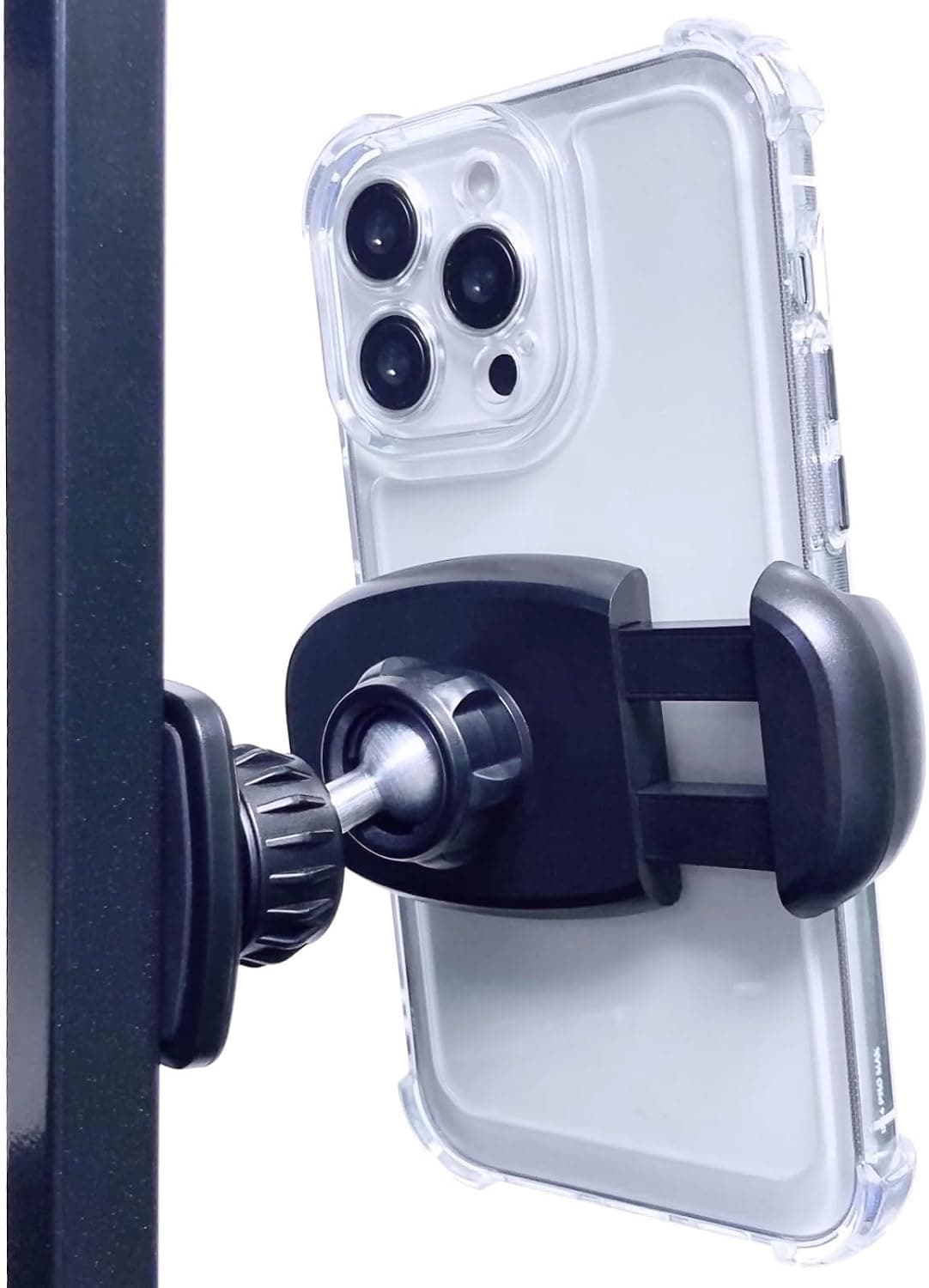 Review
Best MagSafe Gym & Workout Phone Mounts
Gym equipment defeats most magnetic mounts, and the reason is powder coating rather than magnet strength. Here is what actually sticks to a squat rack.
Read the review→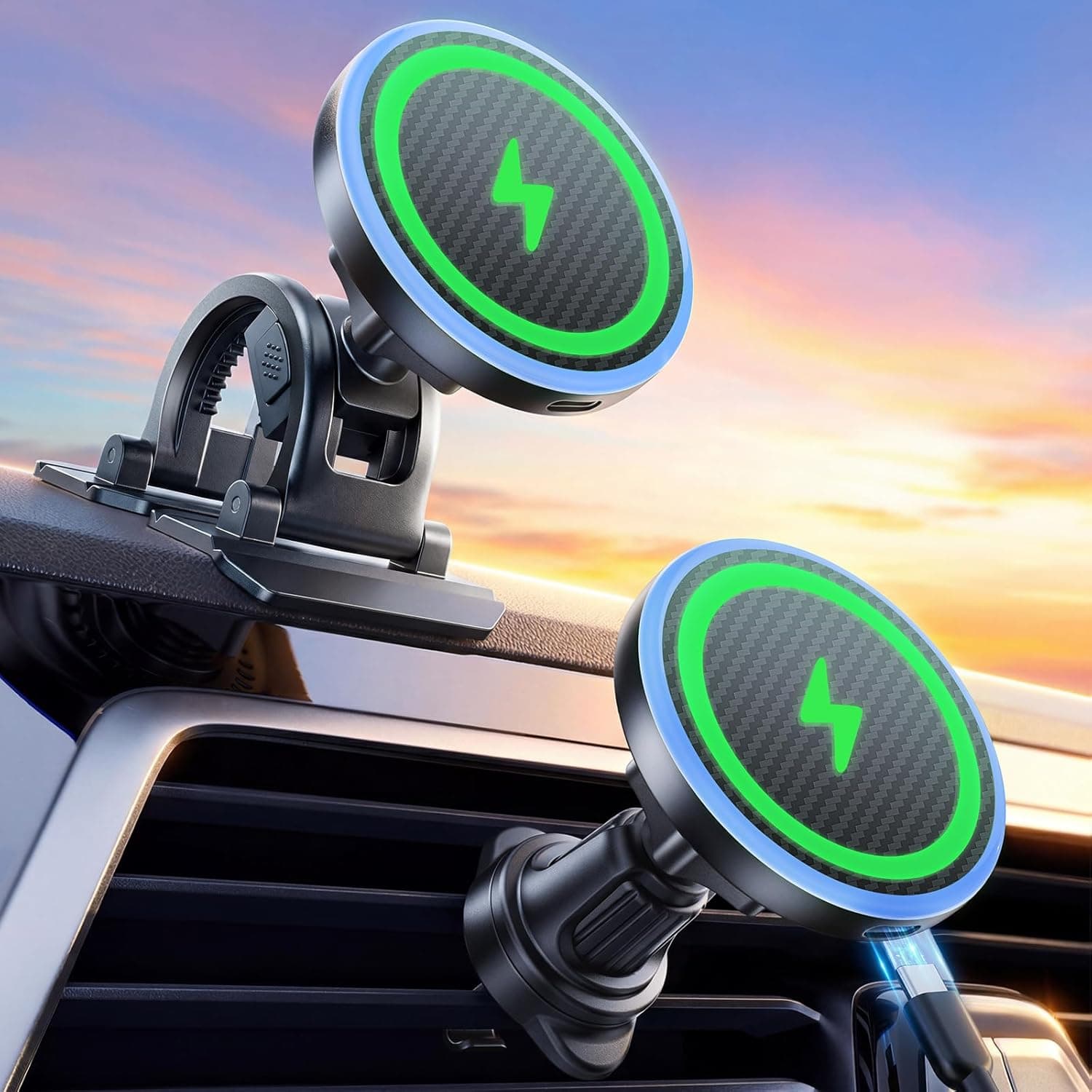 Review
Best MagSafe Car Chargers for iPhone
A car mount that doesn't charge is one more cable to plug in every drive. The confusing part is wattage: Qi2 at 15W and generic 7.5W mounts look identical in listings.
Read the review→